
CMD Diagnostics: Treating the Root Cause
Jaw tension, headaches, and bite issues? CMD diagnostics help us get to the bottom of it — so we can plan treatments that relieve discomfort, not just mask it.
Book Your Scan Now
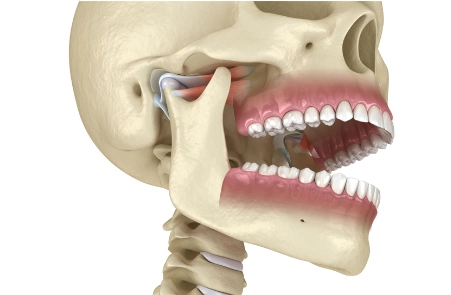

Jaw tension, chronic headaches, or a “clicky” bite?
Many issues start with a wrong bite. CMD (Craniomandibular Dysfunction) refers to problems with how your jaw joints, muscles, and bite work together — and it often flies under the radar.
Smarter Diagnostics
The Technology Behind Your Smile
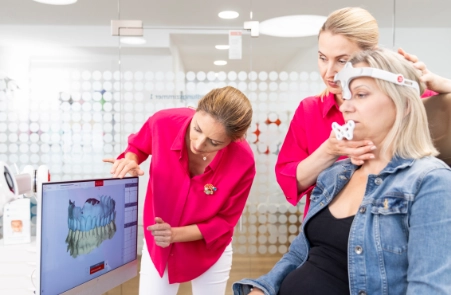
We use cutting-edge tools to track your jaw and bite in real time — helping us plan treatments that not only look great, but feel right too.
Our Features
What CMD Can Do for You

Pain Relief
We pinpoint the real causes behind jaw tension, TMJ issues, and headaches — and design treatments that bring lasting relief.

Better Bite Stability
By detecting functional issues early, we help prevent future bite problems and ensure long-term harmony across your entire masticatory system—not just straighter teeth.

Improved Quality of Life
With TMD diagnostics, we identify the true causes and develop solutions that relieve your symptoms—so you can eat, speak, sleep, and live without limitations again.

Supports Interdisciplinary Care
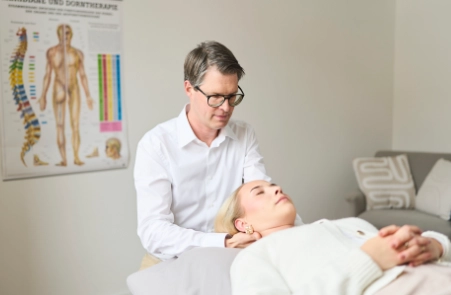
Your jaw doesn’t operate in isolation and influences the entire body. Collaboration with osteopaths, orthopedists, physiotherapists, and other specialists often accelerates treatment progress
How CMD Diagnostics Work
We combine your symptom history with precise functional analysis and digital tools to create a treatment plan tailored to your needs.
Start Your JourneyDetailed Case History
We begin with a full conversation about your symptoms, lifestyle, and medical background.

Functional Assessment
We examine your entire masticatory system, observe jaw movements, and gently palpate muscle groups to identify areas of tension. We also measure your head and body posture.
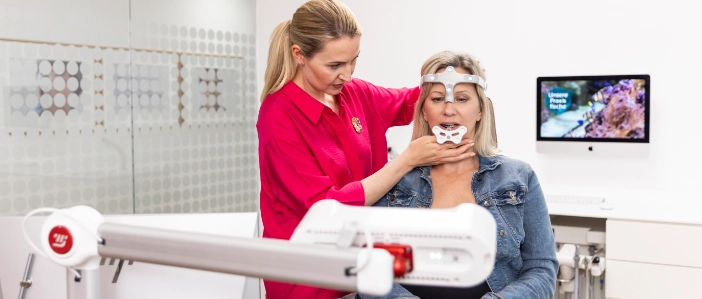
Digital TMD Analysis
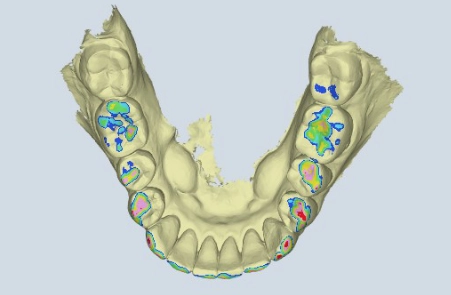
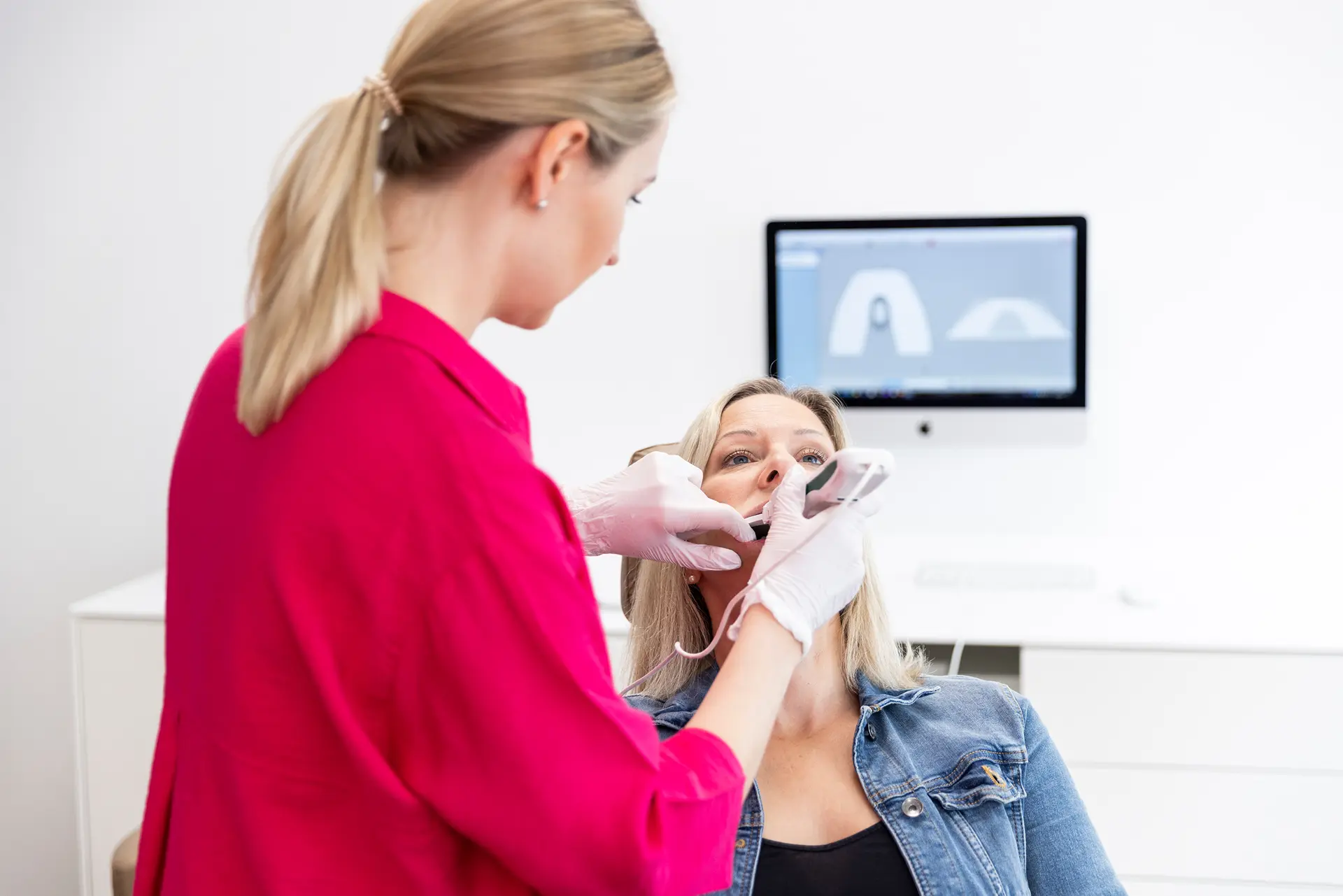
We use jaw tracking and 3D imaging to visualize how your joints, teeth, and muscles work together.
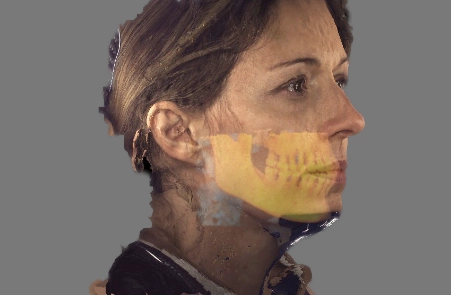
Personalized Treatment Plan
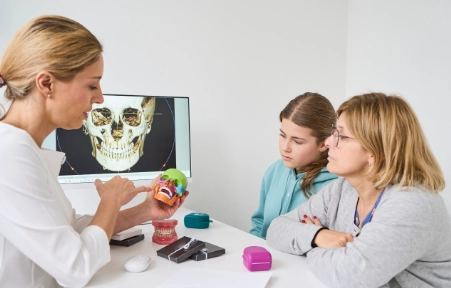
You’ll receive a clear plan focused on relieving discomfort and improving long-term function.

Every Step Counts
From digital scans to handcrafted aligners – we combine precision, care, and experience at every stage of your orthodontic journey.

When We Use CMD Diagnostics
For patients dealing with hidden discomfort or unclear bite issues, CMD diagnostics help us find answers before problems escalate.

Jaw Pain or Tension
If you often feel tightness, clicking, or soreness in your jaw and jaw joints — especially when chewing or waking up — we use CMD.

Before Complex Orthodontic Treatment
Before we move your bite with braces or aligners, we check that your jaw joints are stable and functioning well to avoid complications later on.

Frequent Headaches, Clenching, or Grinding
Our CMD diagnostics reveal how your muscles and jaw joints work together—allowing us to design a treatment plan that relieves tension and addresses the root cause, rather than simply moving teeth.
Testimonials
Relief that lasts. Clarity they didn’t expect.
From years of tension to finally feeling at ease — here’s how CMD diagnostics helped real patients get answers, not just quick fixes.
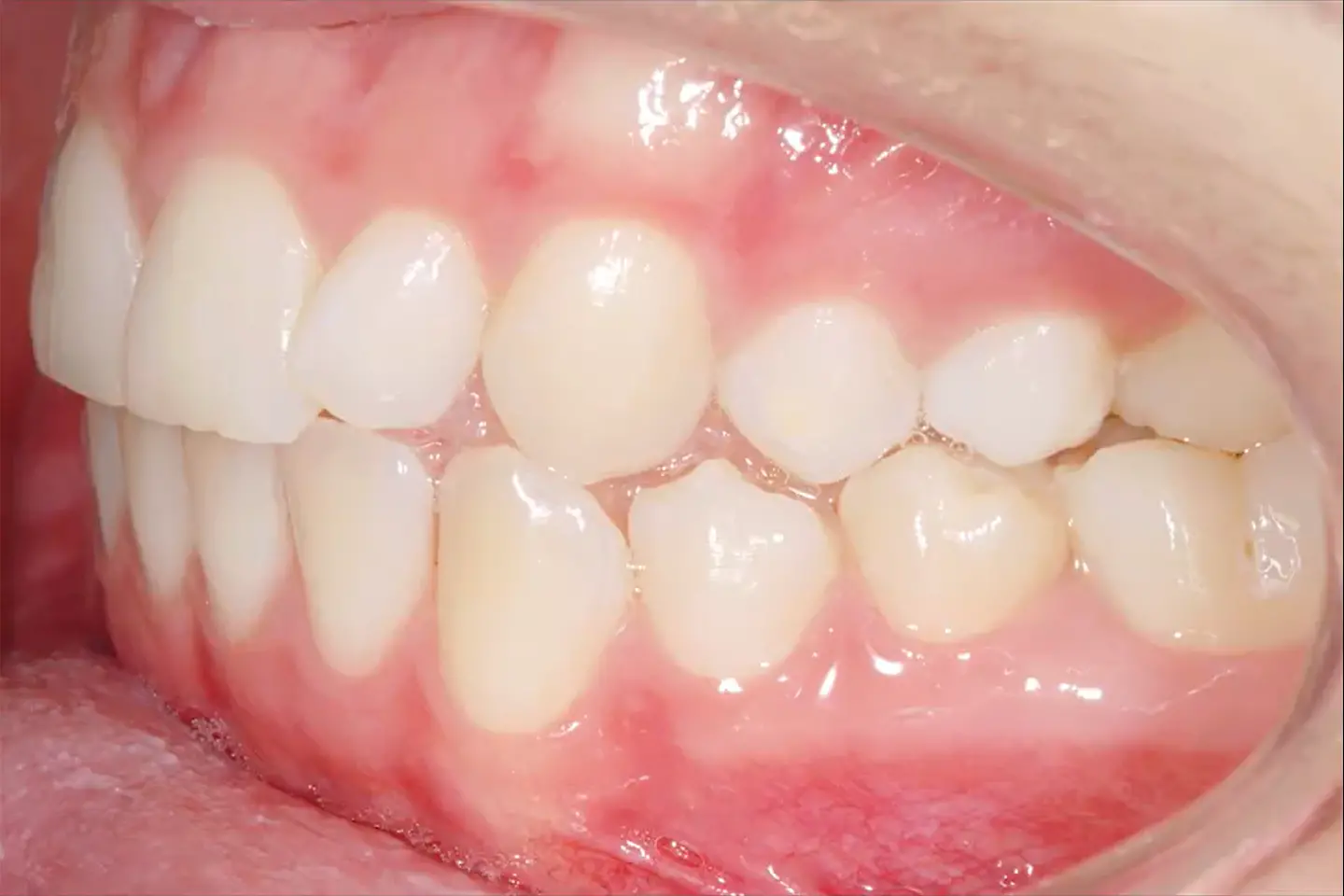
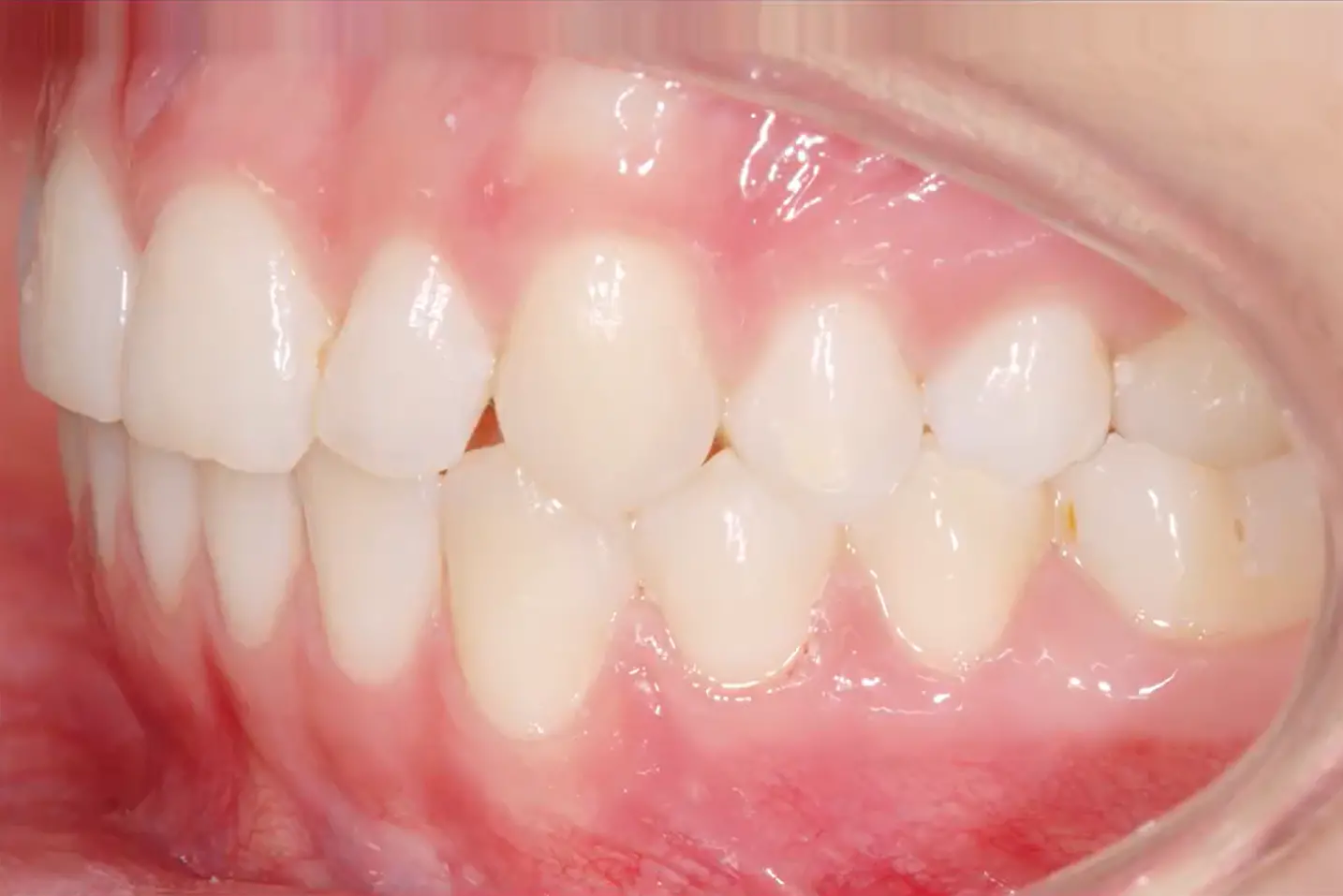
“I thought it was just stress. Turns out my bite was causing my headaches.”


Treatment Duration
18 months
Stability
100% stable after 5 years
Health Benefits
Severe crowding + TMJ pain → Perfect alignment + zero pain after 5 years

Want to Feel Better — and Know Why?
Book a CMD Checkup


Frequently Asked Questions
Is CMD diagnosis painful?
"Not at all.
The examination is non-invasive and holistic, using gentle movements and digital measurements. We assess your entire masticatory system and body using our KFO360° concept."
How do I know if I need CMD diagnostics?
"If you experience any of the following symptoms:
grinding or clenching, toothache, gum recession, tooth wear, tongue problems, swallowing difficulties, frequent headaches, migraine, neck and shoulder tension, tinnitus, ear pain, dizziness, eye pain, numbness or tingling in the hands, digestive issues, knee pain, sleep apnea, depression, fatigue, sleep disturbances, or breathing problems, etc."
Will this affect my orthodontic treatment?
"Yes.
We use the results to tailor your treatment plan and help prevent long-term problems. In many cases, it makes sense to stabilize and rehabilitate the jaw joints first before moving teeth. When the jaw joints are in a better position, the bite changes—so the teeth need to be moved differently. For patients with TMD, following this sequence simply makes the most sense."
Can CMD diagnostics help with migraines or neck tension?
Often, yes.
These symptoms are frequently linked to an imbalance between the jaw joints, teeth, and muscles. Many patients go from specialist to specialist without finding the cause. The fact that the bite can be the source is often overlooked or simply not recognized.
Is it covered by insurance?
Most supplementary plans and nearly all private insurers cover TMD (CMD) treatment—even for adults.
Statutory health insurance generally covers only an adjusted night guard for bruxism, not our comprehensive TMD therapy.
Exact coverage depends on your plan, and we’re happy to help verify your benefits in advance.