Präzise Planung für Clear Aligner-Success
Planned in 3D. Guided by KFO360°. Every aligner journey starts with a joint-centered digital plan—so your teeth move precisely and predictably.
Book Your Scan Now


More than just straight teeth
Many treatments focus on looks. We go deeper — integrating joint data and bone anatomy to plan movements that feel as good as they look.
Smarter Diagnostics
The Technology Behind Your Smile
We use cutting-edge tools to track your jaw and bite in real time — helping us plan treatments that not only look great, but feel right too.
Our Features
What You Gain from Smart Digital Planning

Joint-sparing movements
We’re among the first practices in Germany to digitally capture your TMJ (jaw-joint) axis and integrate it into treatment planning—ensuring tooth movements that are gentler on the joints, more comfortable, and functionally stable.

Bone-Safe Planning
We align your treatment with your unique bone structure to avoid stress or instability.

Tooth-by-Tooth Precision
Every movement is customized — no generic templates.

Faster, Safer Results<br />
With optimal sequencing, your treatment stays on track — fewer refinements, more predictability.
Wie die Ausrichtungsplanung funktioniert
We combine high-resolution 3D scans with TMJ (jaw-joint) diagnostics to design a treatment that harmonizes with your entire masticatory system—and your whole body.
Start Your Journey3D Scan & Analysis
We scan your teeth, assess bone volume, and measure your TMJ (jaw-joint) axis with high precision
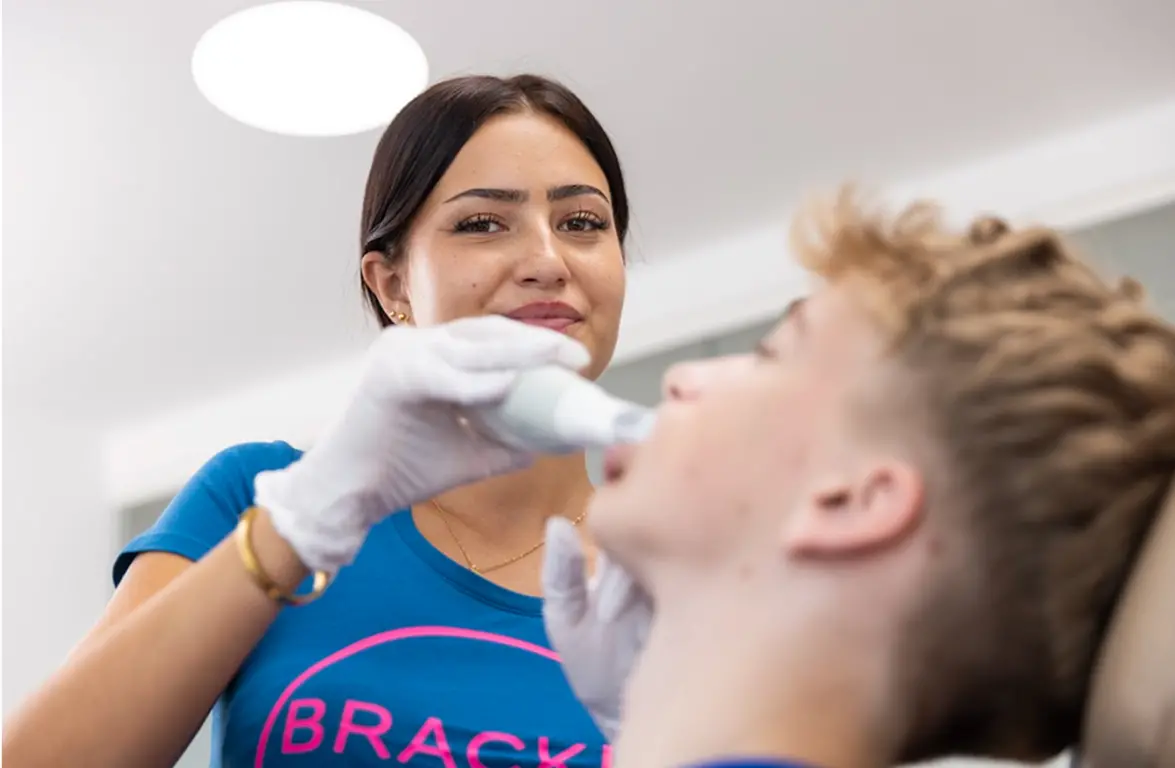
Functional Bite Mapping
We analyze how your jaw moves to align treatment with natural function.
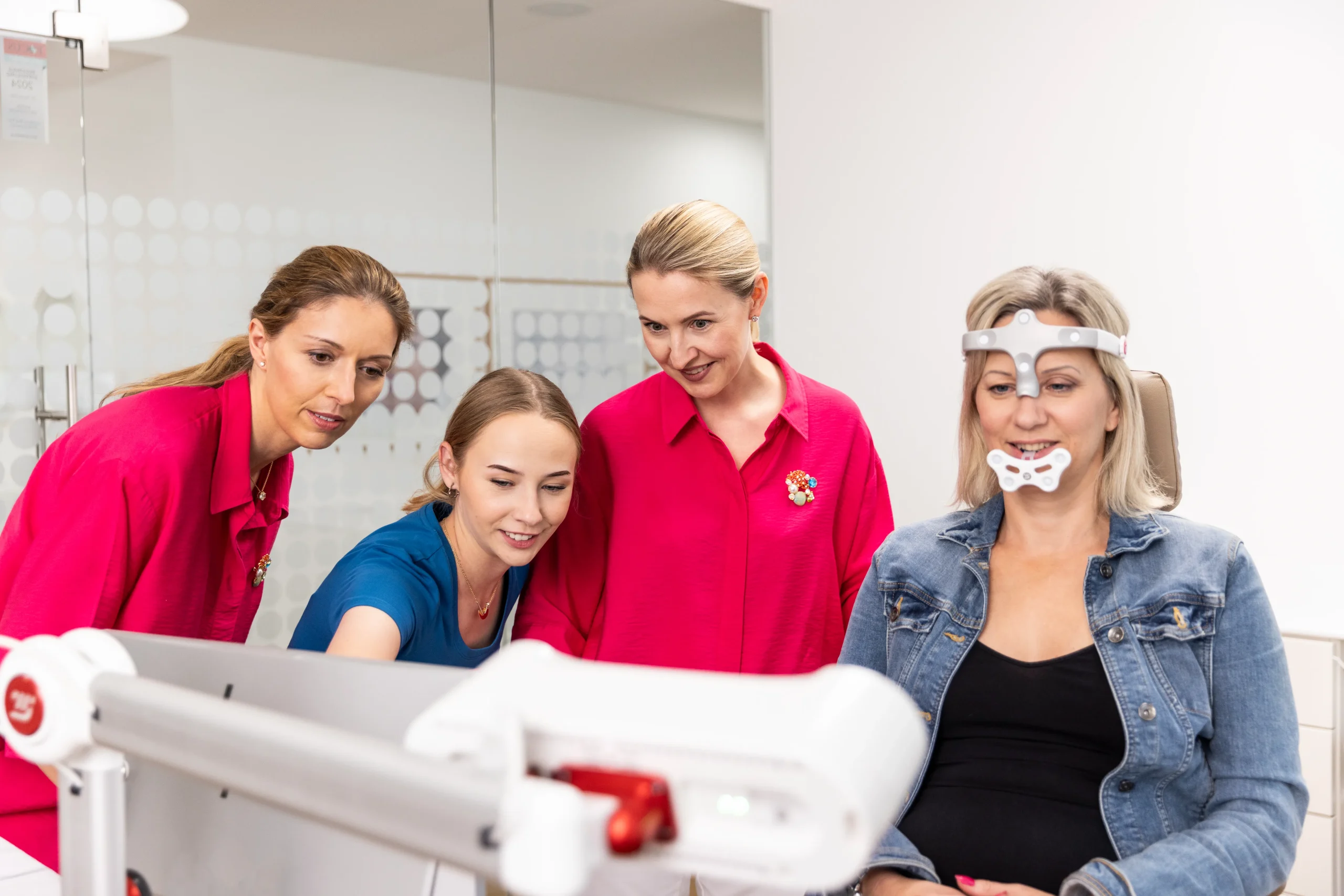
Expert-Guided Movement Simulation
We plan every shift ourselves — not the aligner company. Because we know the patient, every move fits perfectly.
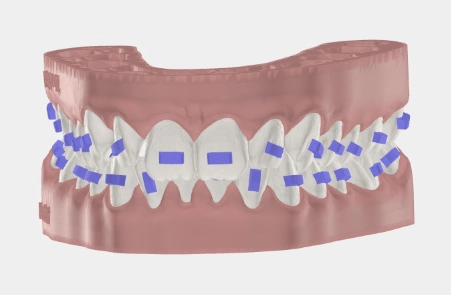
Custom Aligner Production
Your aligners are made to match the plan exactly — for optimal comfort and results.
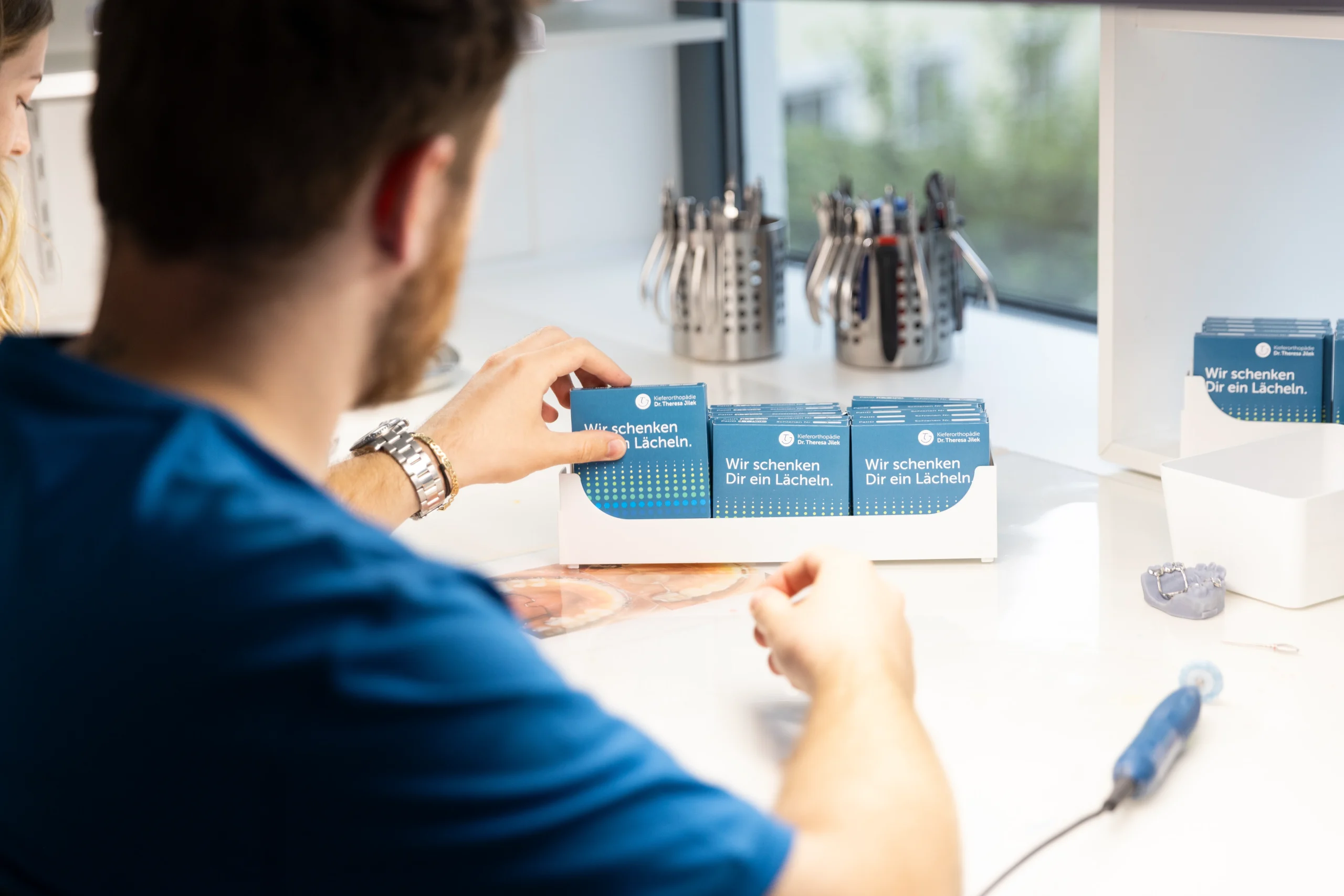
Every Step Counts
From digital scans to handcrafted aligners – we combine precision, care, and experience at every stage of your orthodontic journey.
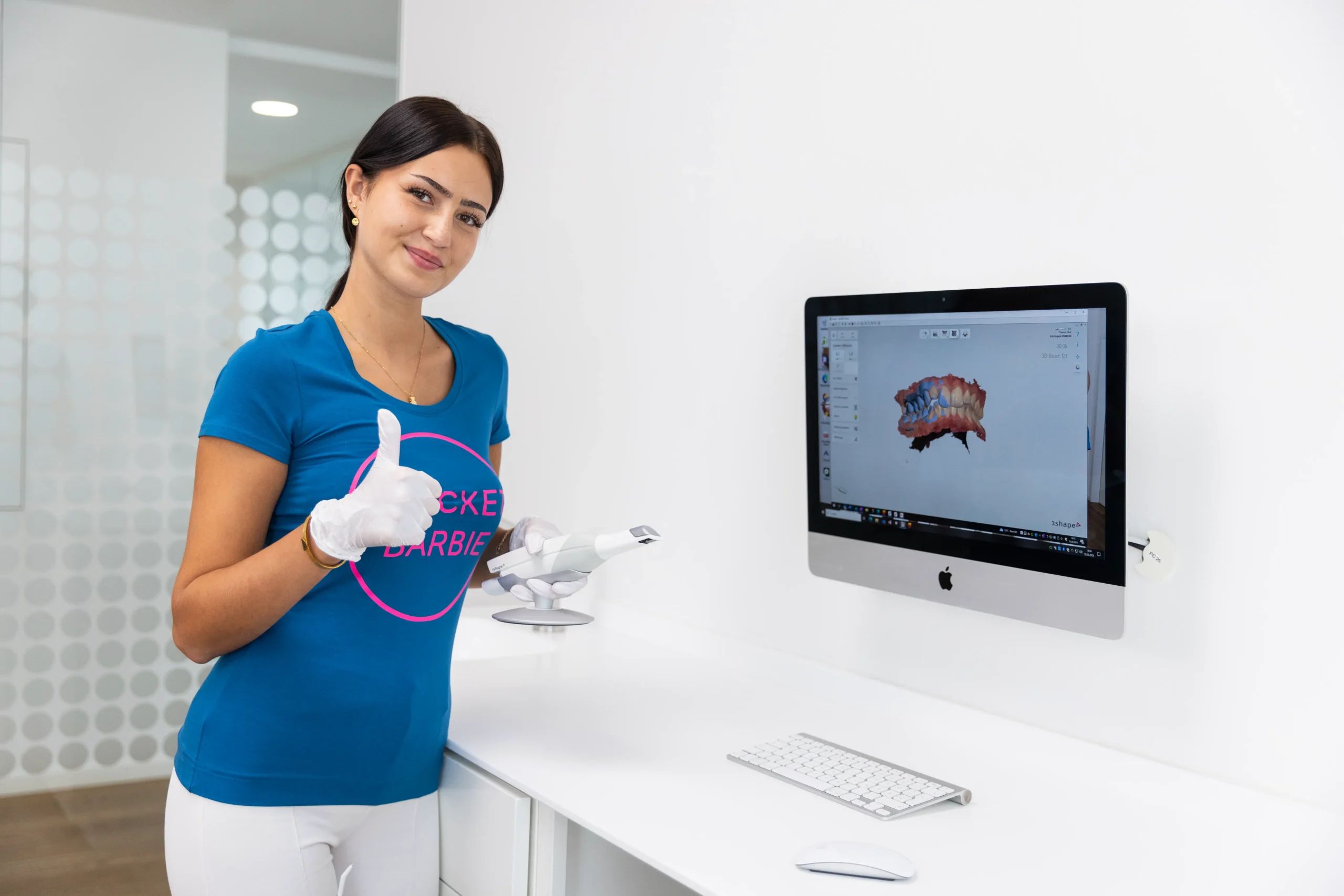

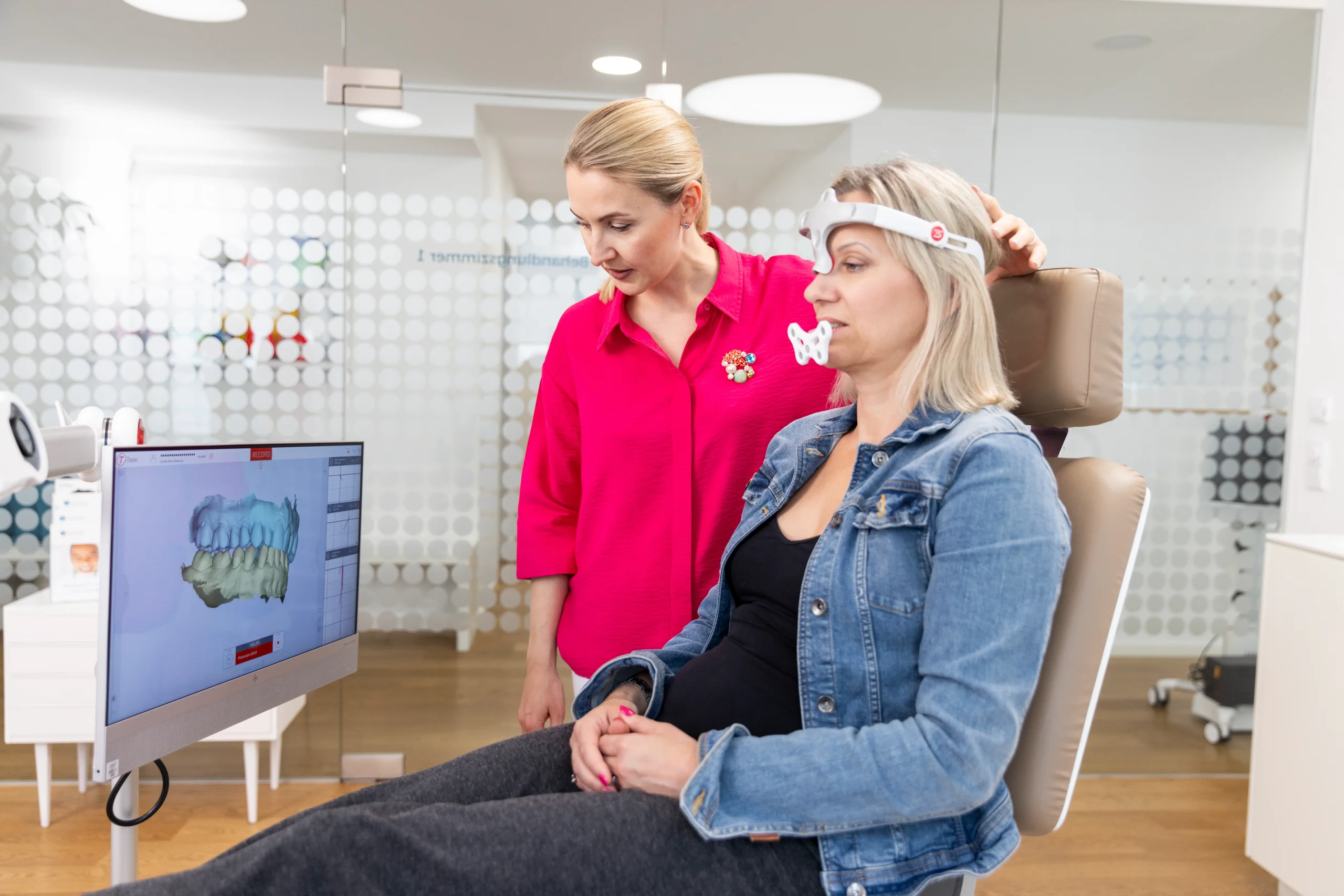

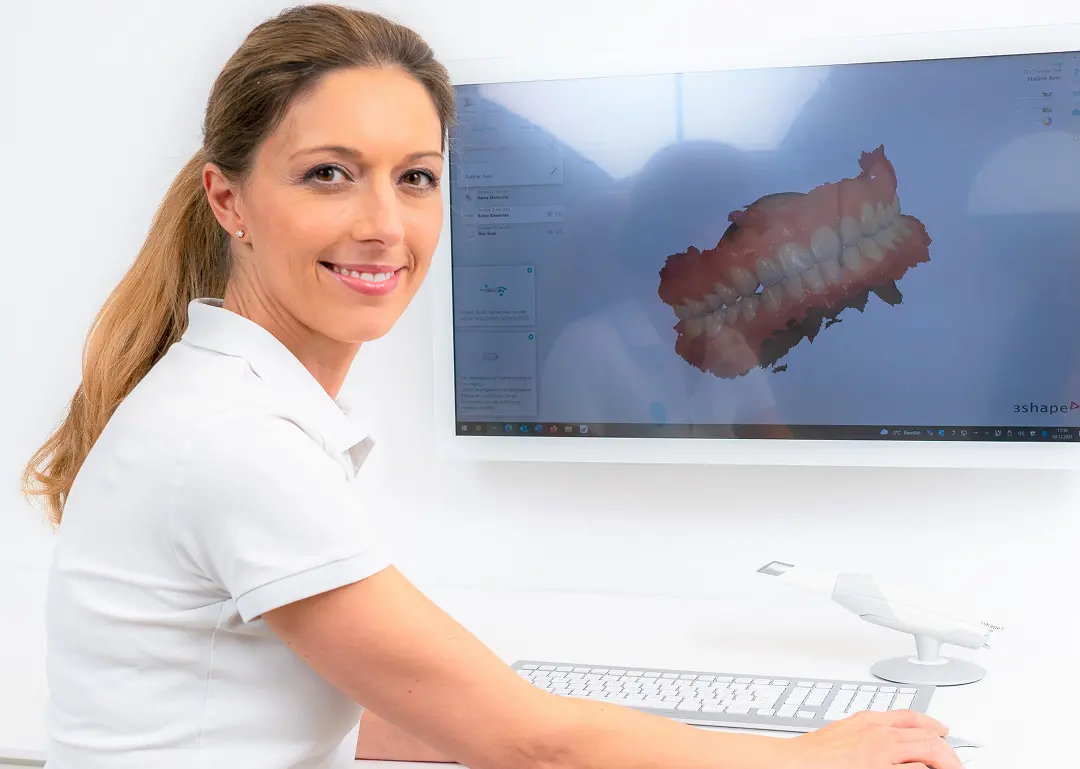
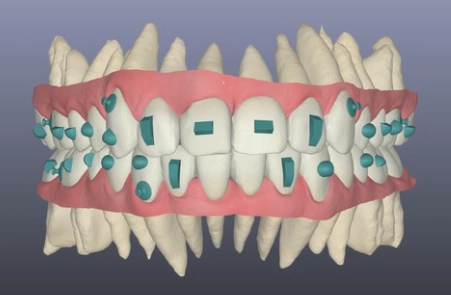
Digitale Planung Von Anfang an
We use this planning for every aligner case — especially for adult orthodontics, TMJ issues, or previous failed treatments.

Before Treatment Begins
We plan every tooth movement in advance — so your aligners work efficiently from day one.

For Jaw Joint Issues (TMJ)<br />
We include your jaw’s hinge axis in the plan to reduce strain and support natural joint motion.

When stability matters
By simulating bone volume and root anatomy at every stage of treatment, we avoid unwanted surprises and help ensure long-term stability of your results.
Testimonials
Planned Better. Felt Better
From the first consult to the final aligner — patients share their experience with our tech-driven care.

"Before my treatment, I had a fractured lower jaw. As a result, my jaw joint was clicking. Since I've been wearing the aligners, my jaw joint has stopped clicking, and I feel that my bite feels much better from aligner to aligner."

Treatment Duration
18 Monate
comfort
high, aligners are very thin and invisible
Health Benefits
Temporomandibular joint (TMJ) clicking + TMJ pain → TMJ-oriented tooth movement to protect the TMJ

Your Aligner Plan, Backed by Science
Start My Plan →


Häufig gestellt Fragmente
How is digital aligner planning different from regular aligners?
With digital planning, we map out every tooth movement in advance — so your aligners fit better, work faster, and feel more comfortable.
Can I see what my teeth will look like after treatment?
Yes! We create a 3D simulation before you even start, so you know what to expect — step by step.
Why is jaw joint (TMJ) data important for aligners?
Including TMJ data helps us align your bite in a way that’s not just aesthetic but also functional — meaning fewer future issues.
Does this shorten my treatment time?
Often, yes. Precise planning means fewer surprises and fewer corrections, which can reduce your total treatment time.
Is digital aligner planning right for complex cases?
Absolutely. It’s especially useful when teeth need to move in tight spaces or when bite correction needs to be fine-tuned.