
Bone Mapping for Safer Precision
Behind every confident smile is a strong foundation. Bone mapping gives us a clear 3D view of your jaw’s structure — helping us plan with accuracy, protect key areas, and avoid risks.
Book Your 3D Bone Scan →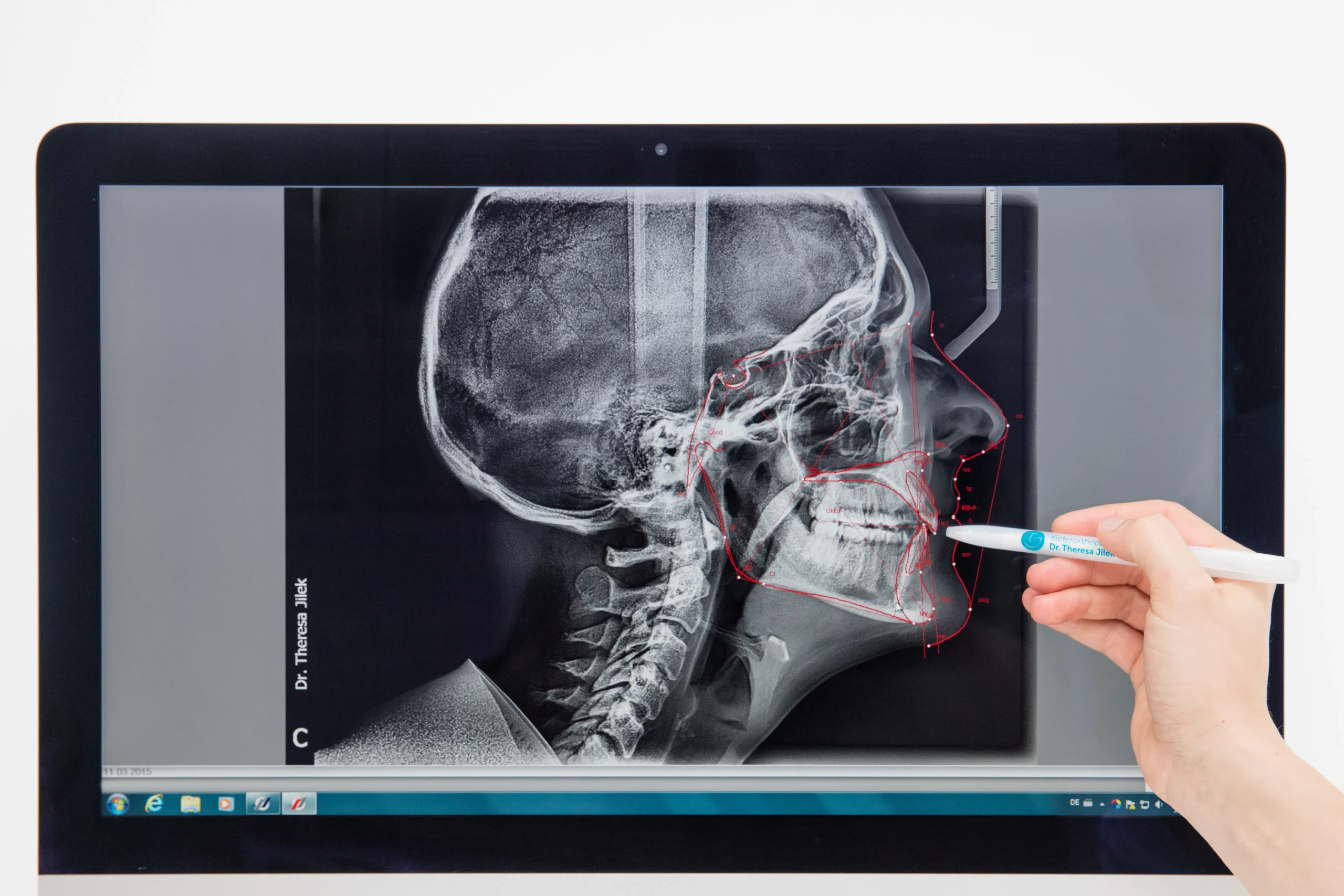
Your Bone Tells the Full Story
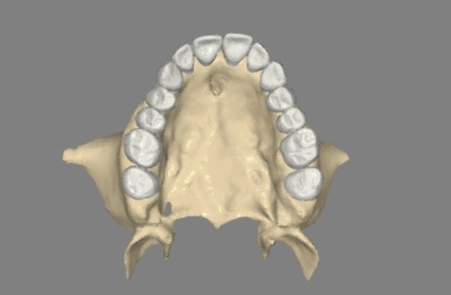
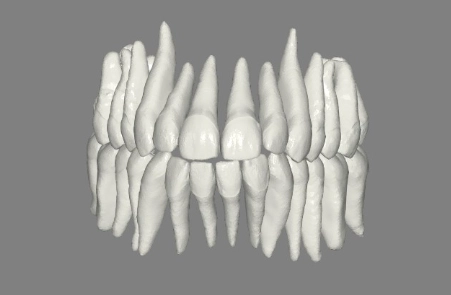
What we see above the gums is only part of the picture. With high-resolution bone scans, we assess bone thickness, density, and position to guide safe, stable orthodontic decisions — especially when every millimeter counts.
Smarter Diagnostics
The Technology Behind Your Smile
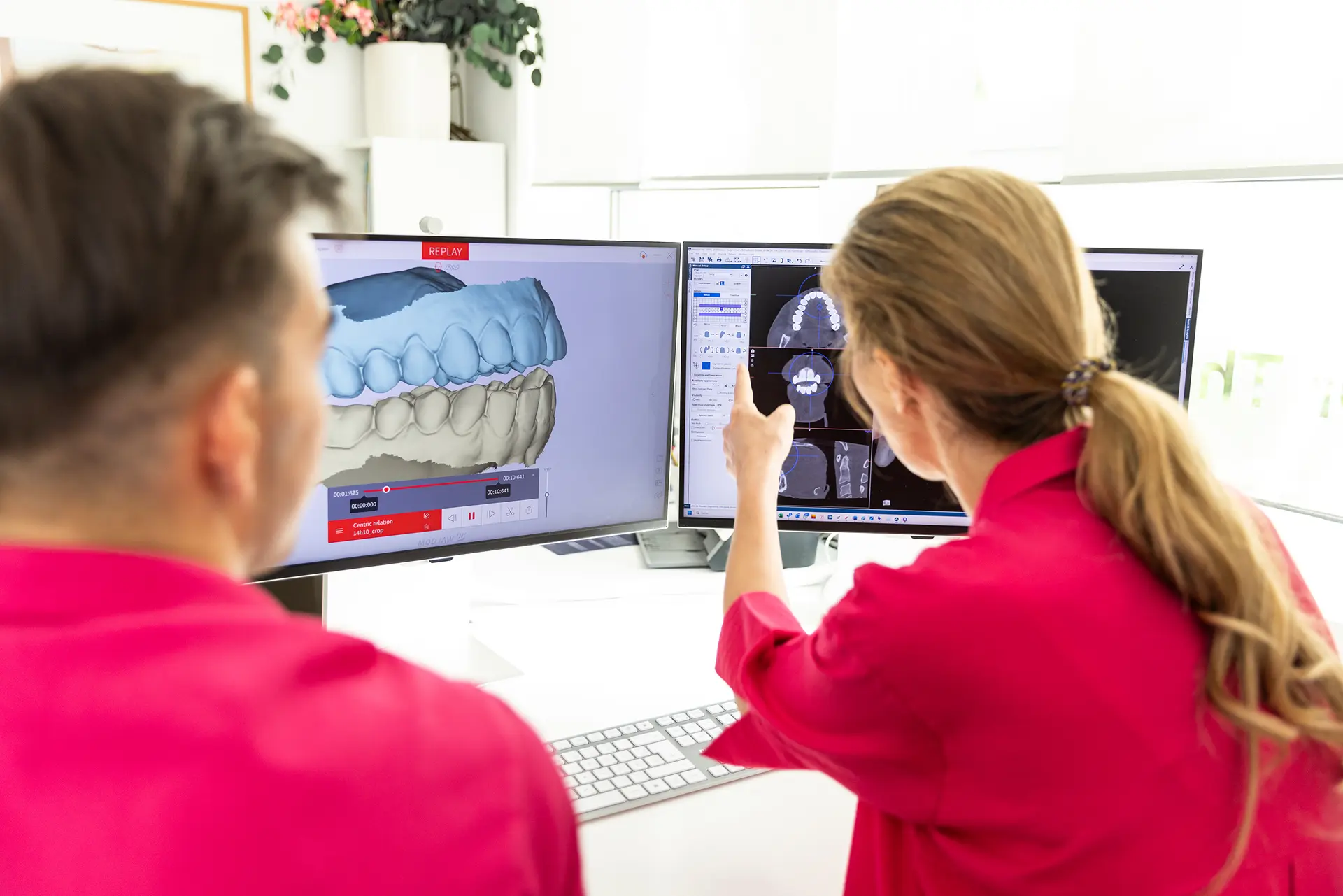
We use cutting-edge tools to track your jaw and bite in real time — helping us plan treatments that not only look great, but feel right too.
Our Features
Benefits of Bone Mapping

Improved Safety
Advanced scans show us exactly where nerves, roots, and fragile bone areas are — so we can avoid them when planning any treatment movements. It’s all about precision and peace of mind.

Fewer Surprises, Smoother Treatment
Traditional X-rays can miss critical details. With 3D bone mapping, we see what others can’t — helping reduce discomfort, avoid poor anchorage, and prevent complications before they happen.

Guided Tooth Movement with Bone Awareness
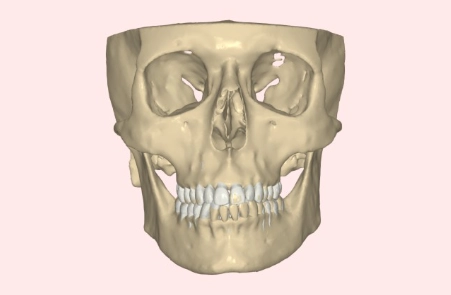
We plan how to move your teeth based on bone supply and reserve — making sure every tooth stays surrounded by healthy bone. That means stronger support, better function, and stable aesthetics for the long term.

Tailored to Your Anatomy
No two jaws are the same. We use bone data to personalize your tooth movement and choose the safest tools for your unique bone thickness, shape, and density — all part of your fully customized plan.
How Bone Mapping Works
We use bone mapping when precise planning is critical — helping us avoid surprises and make safer, more confident treatment decisions.
Start Your Journey3D Imaging
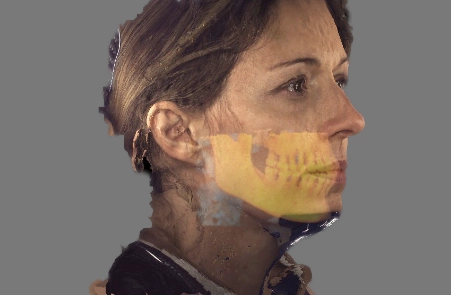
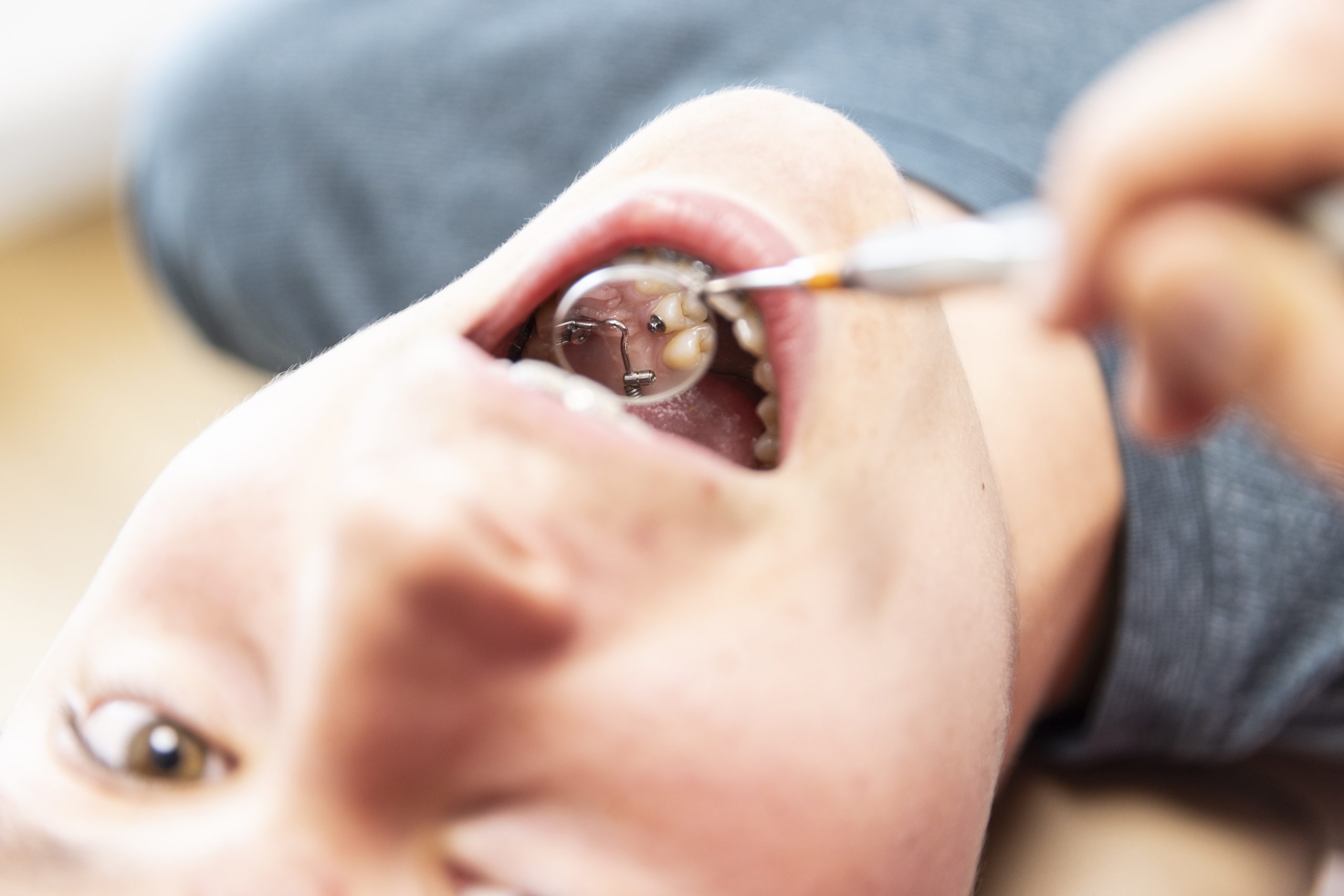
We start with a quick scan that captures bone, roots, and nerve locations — giving us a full view of your jaw’s structure.
Digital Bone Assessment
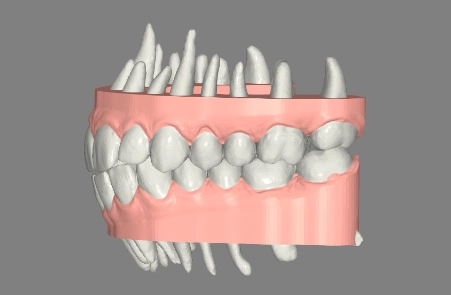
We assess bone thickness, density, and support areas — helping us identify safe zones and avoid risk regions.
Smart Planning
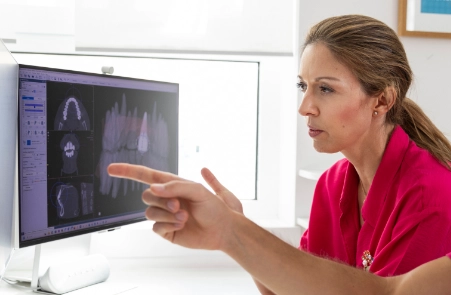
Using this data, we tailor your treatment — from implant placement to expanders — with accuracy and confidence.
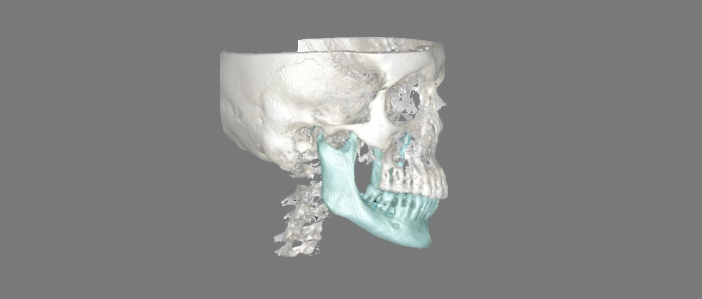
Confident Execution
Your care moves forward with fewer risks, fewer adjustments, and stronger long-term results — because every step is grounded in real anatomy. |
Every Step Counts
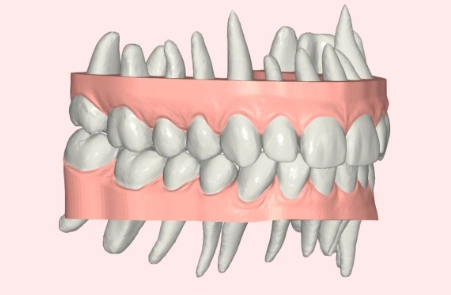
From digital scans to handcrafted aligners – we combine precision, care, and experience at every stage of your orthodontic journey.

When We Use Bone Mapping
We use bone mapping when precise planning is critical — helping us avoid surprises and make safer, more confident treatment decisions.

When Precision Is Everything
We use bone mapping when placing mini-implants or planning jaw widening. It’s crucial when every millimeter matters.

Before Complex Cases
Especially helpful in adult orthodontics or for patients with bone loss or previous treatments.

To Avoid Complications
We use it preventively — so you don’t experience discomfort or failed appliances later.
Testimonials
Confidence from the First Step
How detailed diagnostics helped our patients feel safe and supported.
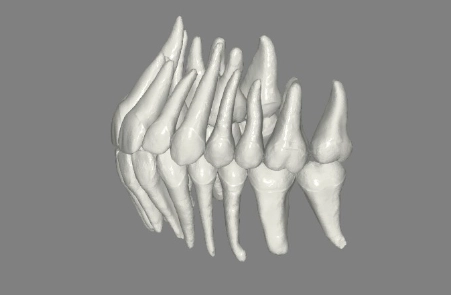
"I was nervous about the idea of implants, but the way everything was planned — down to the tiniest detail — gave me real peace of mind. Nothing felt rushed or uncertain.”


Duration
2 hours
Stability
Prevention of receding gums
Health Benefits
Planning tooth movements within the bone, not outside of it → avoiding gum recession and ensuring the shortest possible treatment duration. 

Want a Treatment Plan That’s Built to Fit — and Last?
Book Your 3D Bone Scan


Frequently Asked Questions
Is bone mapping something everyone needs?
Not always. We use it when extra precision matters — like for wideners, implants, or any device that needs to fit your bone structure just right.
Will I feel anything during the scan?
Nope. It’s fast, quiet, and totally contact-free. You’ll just sit still for a few moments while the scanner does its job.
Why can’t a regular X-ray do the same thing?
Standard X-rays give us a flat image. Bone mapping gives us depth — we can see bone thickness, density, and sensitive areas in 3D. It’s a whole different level of planning.
What if the scan shows something unexpected?
That’s exactly why we do it. If we catch something early — like a thin spot or nerve risk — we can adjust the plan to keep you safer and more comfortable.
Do I get to see the scan myself?
Absolutely. We’ll show you the 3D model and explain what we’re looking at — so you’re in the loop from the start.


